
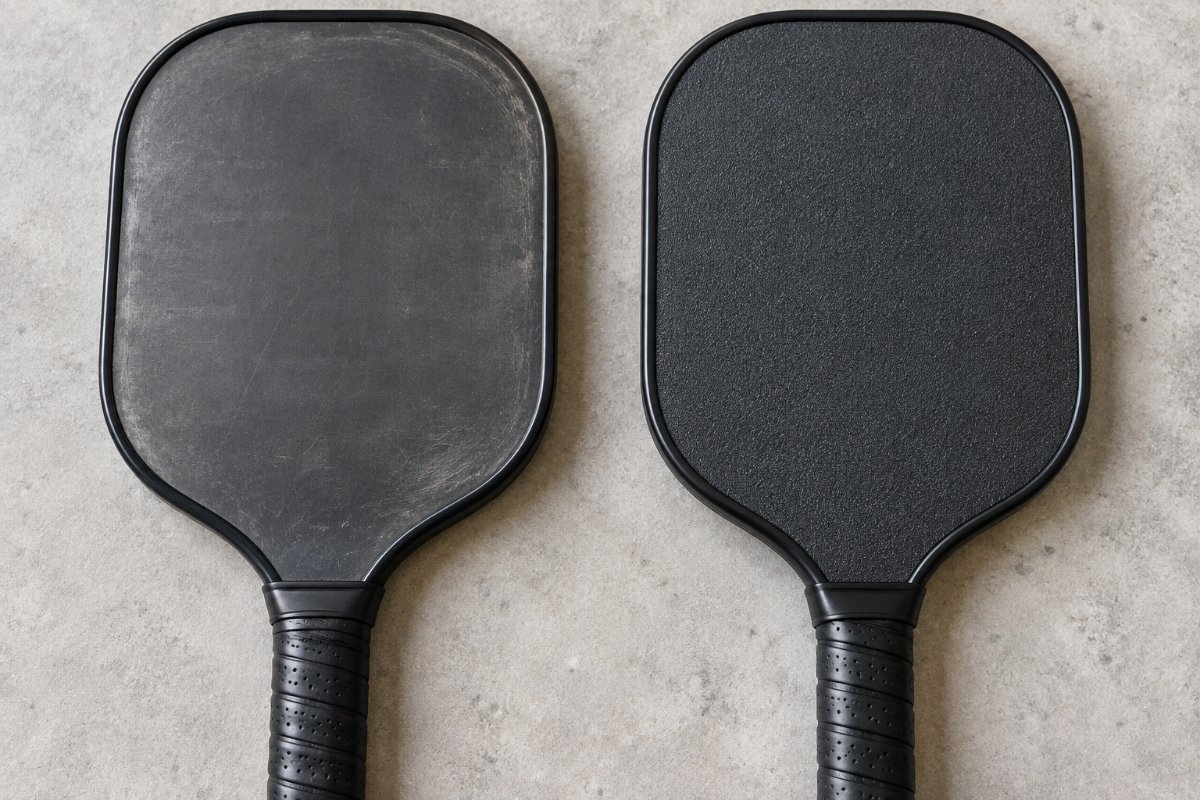
Choosing between an elongated and a standard pickleball paddle is one of the first real decisions a player faces once they move past their first cheap paddle. It's easy to get confused because both shapes still look roughly rectangular at a glance. The real difference comes down to how a fixed amount of paddle surface gets distributed: more length and less width, or more width and less length. That single tradeoff changes reach, sweet spot size, swing weight, and how forgiving the paddle is on an off-center hit.
This isn't a buying guide naming specific paddle models, since PaddleBrief hasn't done hands-on paddle testing yet. It's a plain look at what changes between the two shapes, why the tradeoff exists in the first place, and which kind of player each shape tends to suit.
The one rule that forces the tradeoff
The tradeoff exists because of a single USA Pickleball rule: a paddle's combined length and width cannot exceed 24 inches. A standard paddle typically runs about 15.75 to 16 inches long and roughly 8 inches wide, landing close to that combined limit with a fairly even split between the two dimensions. An elongated paddle pushes past 16 inches in length, sometimes reaching 17 inches or more, which means the width has to shrink to stay under the same 24-inch ceiling.
There's no way around this tradeoff within the rules. A manufacturer can't simply make a paddle longer and wider at the same time, so every elongated design is a deliberate decision to trade width for length.
What changes between the two shapes
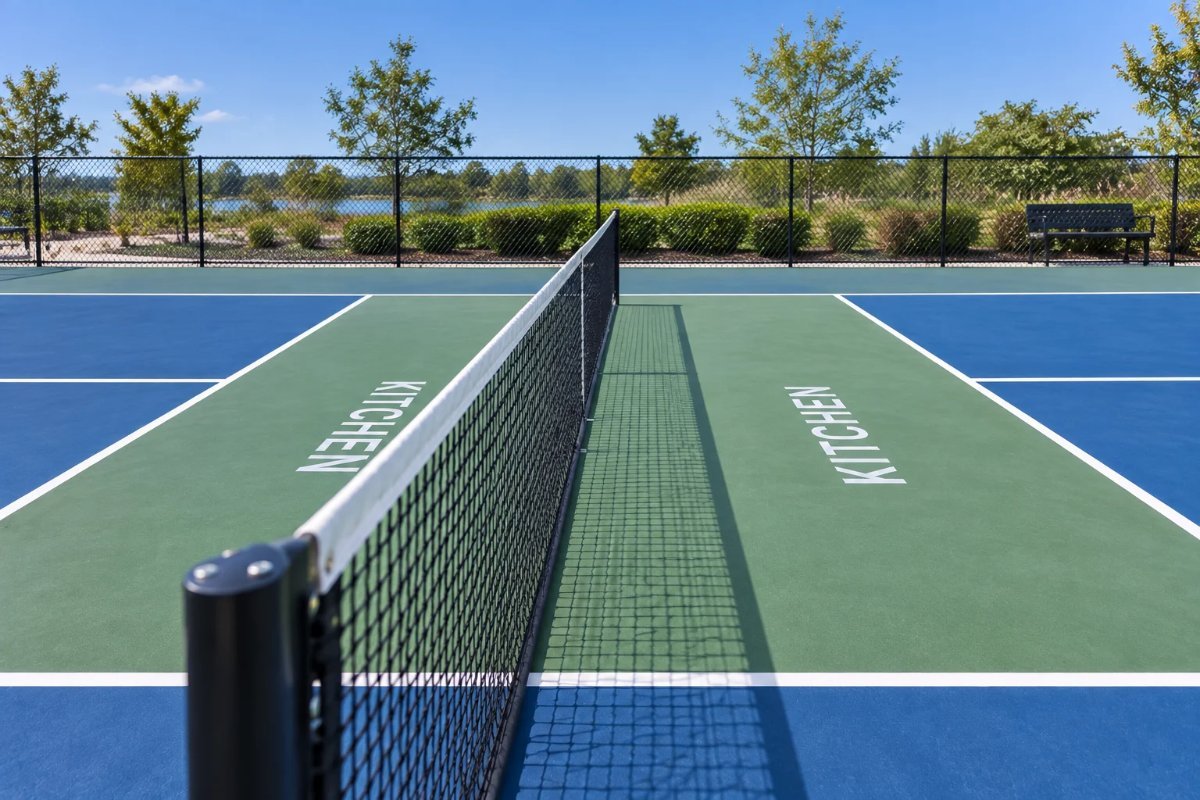
The most obvious difference is reach. An elongated paddle's extra length translates directly into a longer lever, which extends how far a player can stretch for a wide ball or reach up on an overhead without lunging. Standard paddles trade that reach for a wider face, which simply gives the ball more paddle surface to land on during everyday exchanges.
Sweet spot placement is where the shapes diverge the most. A standard paddle's wider face keeps the sweet spot centered in both directions, so it stays fairly consistent whether a shot lands slightly high, low, or off to one side. An elongated paddle's sweet spot tends to sit further from the handle and occupies a narrower band across the face, since there's less width to work with. A ball that lands even a little off that band on an elongated paddle produces more twist and a less predictable response.
Swing weight changes too, and not in the direction some players expect. Elongated paddles typically carry more of their mass further from the hand, which increases swing weight even when the total paddle weight is identical to a standard model. That extra swing weight is what generates more tip speed on a full swing, which is why elongated paddles are associated with more pace on drives and overheads. The same extra mass out at the tip makes quick hand-speed exchanges at the net feel slower to reset.
Twist weight, meaning how much a paddle resists rotating in the hand on an off-center hit, tends to favor standard shapes. The wider face distributes mass further from the paddle's central axis side to side, which resists twisting better than a narrower elongated face can.
Power, control, and where each shape tends to win
The choice comes down to where you want your margin for error. An elongated paddle's extra leverage and swing weight favor players who generate most of their offense from full swings: baseline drives, overheads, and putaways where a slightly smaller sweet spot matters less because the shot is already committed. Standard paddles favor the fast, compact exchanges that dominate doubles play at the non-volley zone (the 7-foot area on each side of the net where you cannot hit the ball out of the air), where a forgiving, centered sweet spot and quicker hand speed matter more than an extra inch of reach.
Players coming over from tennis sometimes gravitate toward elongated paddles simply because the added length feels closer to a tennis racquet's proportions, even though pickleball paddles remain far shorter overall. That familiarity is a real reason players choose elongated shapes, separate from any performance argument.
Who each shape tends to suit
Standard shape is the more forgiving starting point for most players, including many advanced and professional players who prioritize consistency over maximum reach. The centered, wider sweet spot means less punishment for the mishits every player produces during a long rally, and the lighter swing weight keeps hands quick during fast net exchanges.
Elongated shape tends to suit players who already have consistent, repeatable contact and want to trade some of that forgiveness for extra reach and pop on full swings. It's a common second-paddle upgrade rather than a first paddle, since the narrower sweet spot punishes inconsistent mechanics more than a standard shape does. Paddle weight and grip size matter just as much as shape in how a paddle feels in the hand (the pickleball paddle weight and grip size guide covers how to dial those in separately from shape).
Shape is a separate choice from core thickness or material
It's easy to lump every paddle spec together, but shape, core thickness, and core material are three independent choices that happen to all live on the same piece of gear. A paddle can be elongated with either a thin or thick core, and a standard-shape paddle can use the same foam or polymer material found in an elongated one. The EPP vs. MPP paddle core comparison covers how core material changes feel and durability, and that choice sits entirely apart from whichever shape a player picks.
This matters because a player who wants more forgiveness should not reach for an elongated paddle. A standard shape or a softer core will help more. Shape changes where the sweet spot sits and how much reach a paddle offers. Core thickness and material change how the ball feels off the face and how much the paddle dampens or accentuates power. Treating them as one decision instead of three separate ones is a common source of buyer's remorse.
Frequently asked questions
Is an elongated paddle always longer than 16 inches?
Generally yes. Most manufacturers treat 16 inches as the rough boundary between standard and elongated, though the exact cutoff isn't an official USA Pickleball category, just an industry convention.
Do elongated paddles hit harder than standard paddles?
On a full swing, often yes, because the added length and swing weight increase tip speed. That advantage shrinks or disappears on compact shots like dinks and blocks, where swing speed matters far less than paddle face size and control.
Should a beginner start with an elongated paddle?
Most guidance points toward a standard shape for beginners, since the wider, more centered sweet spot forgives the mishits that come with still-developing contact consistency.
Can a paddle be both long and wide?
Not within the rules. USA Pickleball's 24-inch combined length and width limit means any gain in one dimension must come from the other, which is why the standard and elongated categories exist as opposites rather than a paddle offering both.
What is a hybrid paddle, and is it a compromise between the two?
Hybrid paddles generally split the difference on dimensions, aiming for a middle ground between standard forgiveness and elongated reach, though exact proportions vary by manufacturer since there's no official hybrid category in the rules.
The takeaway is that neither shape is better for everyone, since the 24-inch combined limit guarantees a real tradeoff no matter which way a paddle leans. Standard shape gives up some reach and pop for a bigger, more centered sweet spot and quicker hands at the net. Elongated shape gives up some of that forgiveness for extra leverage on full swings and a longer reach on defense. Most players are better served starting with a standard shape and moving to elongated later if their game specifically rewards the tradeoff, rather than choosing based on which one looks more like a tennis racquet.